I wrote about Fannie Quigley and her wild rhubarb pies last July 4, in memory of an earlier Fourth spent baking pies for a celebration at Kantishna. I made a short Alaska pilgrimage this August, photographing her final home and that well-worn rusty cookstove.
Frances Sedlacek was born in 1870 on a homestead into a Bohemian family in Nebraska. Her father remarried after her mother died when she was six. Those farming years in Nebraska were marked by locusts, low crop prices, and Arctic-style blizzards.
Fannie left home at an early age, learning English as she followed the railroads west, then heading north at age 27 to the Klondike. Lugging a portable Yukon cookstove, groceries and a tent, she prided herself on arriving at new gold strikes to sell meals to the prospectors.
Her nickname, "Fannie the Hike," was purportedly from the distances her diminutive legs could cover while toting her portable kitchen, although some said it also came from her stint as a dance hall girl.
Clutching her free miner's certificate, Fannie staked a claim in 1900 on a tributary of the Stewart River, 125 miles from Dawson. She married miner Angus McKenzie Oct. 1, 1900, after returning to Dawson.
They opened a roadhouse near Gold Bottom. In January 1903, she departed the Klondike and Angus and headed off on an 800-mile hike down the Yukon River.
Miners were arriving at the Tanana, a large river that meets the Yukon, and she stopped near Chena. In August 1906, Fannie then headed for the Kantishna strike discovered by Joe Quigley and his partner.
She staked 26 claims in the area in a dozen years. Her first claim, staked on Jan. 1 1907, was witnessed by J. X. Quigley, and filed on April 15, 1907. Groups of miners, including Fannie, joined to file for large association claims on Glacier and Caribou creeks.
In November 1910, Joe Quigley found the first of his claims on Quigley Ridge between Eureka and Friday Creeks. Fannie and Joe were married in 1918 and moved from Glacier Creek to the western end of Quigley Ridge near Kantishna, at a cabin site at Friday Creek where Fannie had her own placer claims. They leased a strike that produced 1,435 tons of silver lead ore to Tom Aitken, who developed an underground mine, but declining silver prices and lease disagreements closed the mine in 1924.
Fannie's abilities in the kitchen were a means of support, and she hunted game and grew a garden to supply meals to the mining camp. Trapping also brought in extra income.
She shot caribou, moose, sheep, and bears, rendering the fat from berry-fed fall bears for use in baking her famous blueberry pies. Fannie ran her dog team many miles into the Denali drainages, trapping furs and hauling wood for the cabin and bunkhouse. Although sharing her largesse as a gardener and cook with the passing public as a means of support, she also continued to prospect for gold for additional spending cash. Alaska Magazine reported in July 1940 that "Fannie Quigley of Friday Creek shot a moose from her back porch last winter. While lugging the meat up to the cabin she picked up a gold nugget worth sixty dollars. "Heck!" she said, "I seen the dern thing layin' there all the time--but I just didn't believe it. Friday Creek's been worked four times."
In 1912, artist and frontier chronicler Belmore Browne partook of Fannie's hospitality. He said, "That meal was one of the most delicious that I have eaten. First came spiced, corned moose-meat, followed by moose muffle jelly. Several varieties of jelly made from native berries covered the large slices of yeast bread, but what interested me more was rhubarb sauce made from wild rhubarb of that region…These delicacies were washed down with great bowls of potato beer, ice-cold, from the underground cellar."
As the survivor of a rough and tumble existence --- a look at the mountains she had mined and the rivers she'd crossed are the hard evidence --- she picked up a salty vocabulary, and her thirst was legendary. In the end, she died alone, leaving her stove to rust. I think of her as someone who managed to turn moose muffle and wild rhubarb into extraordinary fare.
Wednesday, October 20, 2010

Friday, July 16, 2010
Platonic summer pleasures
Having endured a spate of 95-103 degree heat that nearly floored me, I have added a few new weapons to my arsenal of heat survival methods.
As noted in the previous blog, I 've been experimenting with homemade popsicles. I had given one of my two sets of popsicle molds to Jean and her sons, who helped install a new air conditioner at my home, now a source of profound respite. On my way home from Seattle, I was fortunate to locate an exact popsicle mold duplicate in the $2 bin at a Rite Aid.
Discoveries: DEA Harissa purchased in the tube at the French Market, is incendiary and best used in dibs and dabs, but worth the burn. The name alone should have been a clue. However, as I have previously discovered, a few red pepper flakes or some Frank's Red Hot are useful in battling warm weather, as those gustatory types in Louisiana will tell you in a hot minute. There's a reason other southern folk, in this case East Indians, eat vindaloo.
Also, it is possible to make homemade fudgesicles. I took good undutched dark cocoa powder, a can of evaporated milk, erythritol, cornstarch, vanilla and a little milk and stirred up a cooked chocolate pudding with a few low-fat white chocolate Guittard chips tossed in at the last second. Then I froze it in the replacement popsicle molds. Give it at least 24 hours in the freezer. It's not icy, and it is refreshing, an acceptable substitute for a noisy ice cream truck's offerings.
As noted in the previous blog, I 've been experimenting with homemade popsicles. I had given one of my two sets of popsicle molds to Jean and her sons, who helped install a new air conditioner at my home, now a source of profound respite. On my way home from Seattle, I was fortunate to locate an exact popsicle mold duplicate in the $2 bin at a Rite Aid.
Discoveries: DEA Harissa purchased in the tube at the French Market, is incendiary and best used in dibs and dabs, but worth the burn. The name alone should have been a clue. However, as I have previously discovered, a few red pepper flakes or some Frank's Red Hot are useful in battling warm weather, as those gustatory types in Louisiana will tell you in a hot minute. There's a reason other southern folk, in this case East Indians, eat vindaloo.
Also, it is possible to make homemade fudgesicles. I took good undutched dark cocoa powder, a can of evaporated milk, erythritol, cornstarch, vanilla and a little milk and stirred up a cooked chocolate pudding with a few low-fat white chocolate Guittard chips tossed in at the last second. Then I froze it in the replacement popsicle molds. Give it at least 24 hours in the freezer. It's not icy, and it is refreshing, an acceptable substitute for a noisy ice cream truck's offerings.
Monday, July 12, 2010
Frozen equals comfort
It was 103 degrees on the bank thermometer in the center of town Thursday afternoon as I left for Seattle. I had stopped by NAPA earlier to have my battery and alternator checked because turning on the air conditioner meant a plunge to zero charging, and I didn't want to end up by the side of the road.
Rick at NAPA swore both were okay, but a trial shot at using the air conditioner lasted less than three minutes as the charging needle headed for zero again.
That's why when I arrived in Seattle around 10:30 p.m., three or four construction zones later with the truck's temperature not cooperating, I was in melt-down mode.
My sister lived in Saudi Arabia more than three years, and her home is filled with the remnants of that experience, but she had to forego sleeping upstairs, as her house wasn't even beginning to cool down.
I met a woman the next morning at a meeting of the Washington Coalition for Open Government who had also lived in the Middle East several years. She said people in Seattle had no idea what real heat can be. My sister's husband is in the Emirates; I know he would agree.
This summer has seen a revival of the popsicle. Only because Jean and her boys helped install an air conditioner last week did I relinquish one of my two sets of popsicle molds. I have hung onto the Volcano Pops; they are worth their weight in gold.
The principle is simple: Fruit, juice, yogurt and whatever else you can throw in. It doesn't take much. Recent batches have included variations incorporating raspberries, blackberries, bananas, orange juice concentrate, pomegranate juice and melon.
Here are some combinations to try:
Pineapple and light coconut milk whipped up in the blender. (You perverse drinker types will immediately think of a pina colada, in which case you should know that alcohol inhibits freezing, so don't add much, and let it remain in the freezer longer.)
An orange juice concentrate, banana and raspberry combination was spectacular. So was a simple frozen pop of whole frozen blackberries in pomegranate juice with some Splenda --- but so refreshing.
Experimenting is half the fun. Little Volcano Pops are just the right size, and have a collection area for melted juice. What could be better while sitting in a lawn swing in the shade?
Rick at NAPA swore both were okay, but a trial shot at using the air conditioner lasted less than three minutes as the charging needle headed for zero again.
That's why when I arrived in Seattle around 10:30 p.m., three or four construction zones later with the truck's temperature not cooperating, I was in melt-down mode.
My sister lived in Saudi Arabia more than three years, and her home is filled with the remnants of that experience, but she had to forego sleeping upstairs, as her house wasn't even beginning to cool down.
I met a woman the next morning at a meeting of the Washington Coalition for Open Government who had also lived in the Middle East several years. She said people in Seattle had no idea what real heat can be. My sister's husband is in the Emirates; I know he would agree.
This summer has seen a revival of the popsicle. Only because Jean and her boys helped install an air conditioner last week did I relinquish one of my two sets of popsicle molds. I have hung onto the Volcano Pops; they are worth their weight in gold.
The principle is simple: Fruit, juice, yogurt and whatever else you can throw in. It doesn't take much. Recent batches have included variations incorporating raspberries, blackberries, bananas, orange juice concentrate, pomegranate juice and melon.
Here are some combinations to try:
Pineapple and light coconut milk whipped up in the blender. (You perverse drinker types will immediately think of a pina colada, in which case you should know that alcohol inhibits freezing, so don't add much, and let it remain in the freezer longer.)
An orange juice concentrate, banana and raspberry combination was spectacular. So was a simple frozen pop of whole frozen blackberries in pomegranate juice with some Splenda --- but so refreshing.
Experimenting is half the fun. Little Volcano Pops are just the right size, and have a collection area for melted juice. What could be better while sitting in a lawn swing in the shade?
Sunday, July 4, 2010
The 4th. Nothing combustible here.
This 4th of July has turned into a Shrinky-Dinks. Remember them? Long gone after a brief mania in the '70s, they were little plastic things that you cut out one size then put in the oven to shrink into manageable tops for keychains, etc.
Just a few years ago, the county sponsored a series of family games at Rock Creek Park on the 4th of July starting around noon with the "National Anthem." There were prizes, and activities included watermelon-eating contests for several age groups, sack races, tugs-of-war, sidewalk chalk art, horseshoes, candy and prizes in a straw pile for the little ones, etc.
That commemoration quietly faded away last year, when it was too damn hot and no one showed up. This year, the county's events begin at 8 with a local cover band at the fairgrounds and fireworks when the sun finally disappears and the moon rises over the mountains across the river.
I was in a cooking frenzy, starting at 7 a.m. with sourdough waffles and red, white and blue fruit compote to top them (raspberries, blueberries and a little banana, cooked in a little juice, Splenda and cornstarch). I outdid myself for lunch, making my own barbecue sauce using applewood smoked salt from Yakima my sister sent over as a replacement for actual flames. I had some chicken breasts and a couple of boneless pork ribs (my indulgence) in the freezer. I made a pasta salad (vegetable bow ties and rotelli) with a dressing featuring an actual Gorge-grown lemon plus balsamic vinegar, garlic, rice wine vinegar, agave syrup, sesame oil, and herbs from the garden (two kinds of thyme, chives, rosemary, three kinds of sage including pineapple, marjoram and oregano), plus baby sweet peppers, kalamata olives, Italian preserved wild mushrooms, artichoke hearts, water chestnuts, scallions, and six tender edible pod peas from our garden.
Another side dish was baked beans, using the baby limas with carrots, onion and sweet peppers I made yesterday in the crockpot plus a drained can of canellini, blackstrap molasses and Dijon mustard, combined and baked in a glass casserole for a couple of hours.
The "look ma, no barbecue" was especially good.
For later this evening, I have baked an apple crisp with a few dried cranberries and blueberries to top with no-sugar Dreyer's vanilla ice cream.
We'll see if the fireworks are as inspiring and incendiary this year.
It's supposed to get to 95 or hotter by Wednesday. Stick a fork in me. I'm done.
Just a few years ago, the county sponsored a series of family games at Rock Creek Park on the 4th of July starting around noon with the "National Anthem." There were prizes, and activities included watermelon-eating contests for several age groups, sack races, tugs-of-war, sidewalk chalk art, horseshoes, candy and prizes in a straw pile for the little ones, etc.
That commemoration quietly faded away last year, when it was too damn hot and no one showed up. This year, the county's events begin at 8 with a local cover band at the fairgrounds and fireworks when the sun finally disappears and the moon rises over the mountains across the river.
I was in a cooking frenzy, starting at 7 a.m. with sourdough waffles and red, white and blue fruit compote to top them (raspberries, blueberries and a little banana, cooked in a little juice, Splenda and cornstarch). I outdid myself for lunch, making my own barbecue sauce using applewood smoked salt from Yakima my sister sent over as a replacement for actual flames. I had some chicken breasts and a couple of boneless pork ribs (my indulgence) in the freezer. I made a pasta salad (vegetable bow ties and rotelli) with a dressing featuring an actual Gorge-grown lemon plus balsamic vinegar, garlic, rice wine vinegar, agave syrup, sesame oil, and herbs from the garden (two kinds of thyme, chives, rosemary, three kinds of sage including pineapple, marjoram and oregano), plus baby sweet peppers, kalamata olives, Italian preserved wild mushrooms, artichoke hearts, water chestnuts, scallions, and six tender edible pod peas from our garden.
Another side dish was baked beans, using the baby limas with carrots, onion and sweet peppers I made yesterday in the crockpot plus a drained can of canellini, blackstrap molasses and Dijon mustard, combined and baked in a glass casserole for a couple of hours.
The "look ma, no barbecue" was especially good.
For later this evening, I have baked an apple crisp with a few dried cranberries and blueberries to top with no-sugar Dreyer's vanilla ice cream.
We'll see if the fireworks are as inspiring and incendiary this year.
It's supposed to get to 95 or hotter by Wednesday. Stick a fork in me. I'm done.
Tuesday, June 1, 2010
That Wild Rhubarb 4th of July
For the Fourth of July celebration at Kantishna Roadhouse in 1995, the owner asked me to bake wild rhubarb pies.
Polygonum Alpinum, known as Alaska Wild Rhubarb, grew next to the cultivated garden at Kantishna. It was prolific there, possibly encouraged by Fannie Quigley.
Fannie Sedlacek McKenzie Quigley died at age 73 at Kantishna at her cabin, where she had lived for 38 years. Her ex-husband, Joe Quigley, went back to civilization after a mining accident nearly killed him. In 1906, Fannie had gone to Kantishna for the newest strike. With Joe Quigley, she staked several claims. Fannie and Joe married and mined, trapped and hunted together until they were divorced seven years before her death and Joe moved to Seattle for the company of his younger nurse.
Fannie was known for her skills hunting, butchering and packing out her own game, although she was barely five feet tall.
In 1912, a traveler, Belmore Brown, came to Kantishna and described the delicious meals made by Fannie, who made her pie crust with bear fat and managed to raise a prolific garden at 1,900 feet. The year I was there, much of the garden froze during an August snowstorm.
Fannie made her own corned moose meat, roasted porcupines to succulence, and made jelly from wild berries to be spread on her hot homemade bread. She grew cabbage, cauliflower, radishes, small potatoes, lettuce, onions, even certain types of tomatoes. She made the wild rhubarb into a sauce she served with meat. (I also picked wild blueberries and cranberries when I was there, and baked them into muffins and quick breads.)
Athabascan natives living in the upper Tanana region chewed the raw roots and stems of Alaska wild rhubarb for colds, as reported in "Upper Tanana Ethnobotany," a publication of the Alaska Historical Commission.
According to a 1953 book, "Edible and Poisonous Plants of Alaska," published by the University of Alaska, wild rhubarb leaves and stems were chopped and added to a pudding of flour and sugar, much like domestic rhubarb. Also, the young leaves were mixed with other greens and cooked like spinach.
Arctic Inuit sweetened the juice and made it into a beverage, according to another 1953 book, "Edible Plants of the Arctic." That book also said the stems were stewed and used as a pie filling.
The Inupiat made a dessert with the stored stalks, which were boiled, mixed with cranberries, raisins, dried apples or peaches and eaten as a dessert, according to a 1983 report, "Plants That We Eat," published in Kotzebue for the Maniilaq Association Traditional Nutrition Program .
That report also stated the stalks were "boiled into a sauce and used on cooked fish." Similarly, the fresh, chopped stalks were "mixed with whitefish or pike eggs and livers, oil, and sugar and eaten," and "eaten raw with seal oil and meat or fish."
Wild rhubarb was also boiled, "mixed with oil and sugar and used as a sauce for dumplings, cake or sweet breads."
According to the same report, Alaska wild rhubarb was used like celery and eaten with peanut butter (remember "ants on a log?).
Inupiat people also boiled the leaves and ate them as hot greens. The stalks were boiled and stored in a barrel for winter use.
When I was asked by Roberta to make pies for the Fourth of July celebration, I didn't make the connection with Fannie Quigley, although I knew about her old cabin nearby.
I used my Grandma Smith's Rhubarb Meringue Pie recipe that Fourth of July, as the hollow rhubarb cooked down a lot and had to be stretched to make four or five pies.
This recipe makes one pie:
1 T. butter, 2 cups diced rhubarb, 1 cup sugar.
Melt the butter in a saucepan and add the diced rhubarb and cup of sugar. Cook slowly until the rhubarb softens. Mix 1/4 cup sugar, 2 T. cornstarch, 2 egg yolks and 1/4 cup sweet cream, mix well and add to the hot rhubarb mixture. Cook until thick and poiur into a baked pie shell. Use the egg whites to make a meringue, adding 1/3 cup sugar and a 1/4 tsp. cream of tartar to the two whipped whites. Spread on the rhubarb filling, piling it into peaks, and bake until meringue is light brown.
Cool before serving, and refrigerate any leftovers.
Polygonum Alpinum, known as Alaska Wild Rhubarb, grew next to the cultivated garden at Kantishna. It was prolific there, possibly encouraged by Fannie Quigley.
Fannie Sedlacek McKenzie Quigley died at age 73 at Kantishna at her cabin, where she had lived for 38 years. Her ex-husband, Joe Quigley, went back to civilization after a mining accident nearly killed him. In 1906, Fannie had gone to Kantishna for the newest strike. With Joe Quigley, she staked several claims. Fannie and Joe married and mined, trapped and hunted together until they were divorced seven years before her death and Joe moved to Seattle for the company of his younger nurse.
Fannie was known for her skills hunting, butchering and packing out her own game, although she was barely five feet tall.
In 1912, a traveler, Belmore Brown, came to Kantishna and described the delicious meals made by Fannie, who made her pie crust with bear fat and managed to raise a prolific garden at 1,900 feet. The year I was there, much of the garden froze during an August snowstorm.
Fannie made her own corned moose meat, roasted porcupines to succulence, and made jelly from wild berries to be spread on her hot homemade bread. She grew cabbage, cauliflower, radishes, small potatoes, lettuce, onions, even certain types of tomatoes. She made the wild rhubarb into a sauce she served with meat. (I also picked wild blueberries and cranberries when I was there, and baked them into muffins and quick breads.)
Athabascan natives living in the upper Tanana region chewed the raw roots and stems of Alaska wild rhubarb for colds, as reported in "Upper Tanana Ethnobotany," a publication of the Alaska Historical Commission.
According to a 1953 book, "Edible and Poisonous Plants of Alaska," published by the University of Alaska, wild rhubarb leaves and stems were chopped and added to a pudding of flour and sugar, much like domestic rhubarb. Also, the young leaves were mixed with other greens and cooked like spinach.
Arctic Inuit sweetened the juice and made it into a beverage, according to another 1953 book, "Edible Plants of the Arctic." That book also said the stems were stewed and used as a pie filling.
The Inupiat made a dessert with the stored stalks, which were boiled, mixed with cranberries, raisins, dried apples or peaches and eaten as a dessert, according to a 1983 report, "Plants That We Eat," published in Kotzebue for the Maniilaq Association Traditional Nutrition Program .
That report also stated the stalks were "boiled into a sauce and used on cooked fish." Similarly, the fresh, chopped stalks were "mixed with whitefish or pike eggs and livers, oil, and sugar and eaten," and "eaten raw with seal oil and meat or fish."
Wild rhubarb was also boiled, "mixed with oil and sugar and used as a sauce for dumplings, cake or sweet breads."
According to the same report, Alaska wild rhubarb was used like celery and eaten with peanut butter (remember "ants on a log?).
Inupiat people also boiled the leaves and ate them as hot greens. The stalks were boiled and stored in a barrel for winter use.
When I was asked by Roberta to make pies for the Fourth of July celebration, I didn't make the connection with Fannie Quigley, although I knew about her old cabin nearby.
I used my Grandma Smith's Rhubarb Meringue Pie recipe that Fourth of July, as the hollow rhubarb cooked down a lot and had to be stretched to make four or five pies.
This recipe makes one pie:
1 T. butter, 2 cups diced rhubarb, 1 cup sugar.
Melt the butter in a saucepan and add the diced rhubarb and cup of sugar. Cook slowly until the rhubarb softens. Mix 1/4 cup sugar, 2 T. cornstarch, 2 egg yolks and 1/4 cup sweet cream, mix well and add to the hot rhubarb mixture. Cook until thick and poiur into a baked pie shell. Use the egg whites to make a meringue, adding 1/3 cup sugar and a 1/4 tsp. cream of tartar to the two whipped whites. Spread on the rhubarb filling, piling it into peaks, and bake until meringue is light brown.
Cool before serving, and refrigerate any leftovers.
Sunday, May 30, 2010
Milepost 61
The big '6-1' milestone is thankfully in the rearview mirror. I don't feel much different.
Maybe it's just the number, but I've twice caught myself thinking about Bob Dylan's "Highway 61." You know, "God said to Abraham, kill me a son....Well, Abe says, 'Where you want this killin' done?' God says, 'Out on Highway 61.'"
When I visited my brother in Louisiana, he took me up the Natchez Trace via Highway 61 from his home in Monterey, which was at that time across the river from Natchez. I got a photo of Mammy's Cupboard at 555 Highway 61, a restaurant in a 28-foot tall black woman's skirt.
I'd heard one of the verses to Bob Dylan's "Highway 61" a number of times over the years, but it wasn't until I went down there that I understood it:
"Now the fifth daughter on the twelfth night told the first father that things weren't right.
'My complexion, she said, is much too white.'
He said, 'Come here and step into the light.' He says, 'Hmm you're right.
'Let me tell the second mother this has been done.'
Aw, but the second mother was with the seventh son and they were both out on Highway 61."
Okay, maybe I don't understand it all, but I have an inkling.
While the old Southern ways are mostly a thing of the past, all you have to do is scratch the surface and they are there. Some of the antebellum mansions offer a revisionist version of the slave quarters tour. Others don't.
One legacy of the old South is its cuisine. I don't think there are that many bad Southern cooks (okay, maybe Paula Deen on a bad butter day), male or female.
I'm getting our light Sunday supper ready soon, nothing more than maybe a salad and some strawberry shortcake.
I'm doing it the old Southern way, piling the strawberries (sweetened with Splenda/erythritol) on cut leftover low-fat biscuits. I'll give them just under 30 seconds in the microwave, put the macerated berries on top, and crown it all with some (low-fat, no sugar) vanilla Breyer's ice cream.
Hey, it will be pretty damn good.
So was lunch. Mom wanted to take me out for my (post)birthday, but as I told her, there's nowhere around here that I'd rather eat. Before the Moira Smily and VOCO concert, we went to Skamania Lodge's River Rock Room, and I had an Asian seafood appetizer plate that was tasty. Mom had a chicken wrap.
My sis and her husband treated me to birthday lunch at Big River Grill, and I had grilled salmon with a salad and their tomato basil dressing, which was also excellent. I splurged, and had citrus cheesecake for the (birthday cake) dessert, scraping off the whipped cream and leaving most of the crust.
Having been to two out of three of the best restaurants in the area in two days, I opted instead for a trip to the store for Sunday dinner makings. I already had some asparagus, scallions and mushrooms. I bought two chicken breasts, strawberries, wine and other groceries. (Including a frozen two-pound bag of shrimp in their jackets, on sale for $7.99, as I figure the Gulf oil spill will soon make them a thing of the past.) Crossing to the street after buying my Sunday New York Times at Lesley's Books, I saw a red car cruise by --- my sis and her husband, on their way out of town after a cruise up Wind River and a night at Bonneville Hot Springs. I invited them to lunch, but they were on their way to meet his parents at Corbett at 1 p.m.
Hurrying home, I turned the oven to 425 degrees and threw the two chicken breasts on foil on a sheet pan, sprinkling them with salt, fresh pepper, garlic, a little wine, fresh thyme and chive sprigs. I also split the skinny loaf of sourdough french bread I'd just bought and chopped two big cloves of garlic, a little Hungarian paprika and fake butter (Smart Squeeze), wrapping the bread in foil and throwing it on the other oven rack. I turned up the heat on one burner with salted water for pasta, (Ronzoni Smart Taste supposedly more healthful spaghetti), then fired up the burner my brother-in-law fixed yesterday (my best birthday present, as I told him, along with the now non-dribbling toilet he tinkered with).
I added a little canola to a non-stick skillet, and cut up two more cloves of garlic, a dozen or so asparagus spears, half a red sweet pepper, three mushrooms, a scallion, and a handful of fresh herbs from our containers and beds --- two kinds of thyme, three kinds of basil, some marjoram, oregano, chives and a touch of sage. I cut the herbs with scissors directly into the sauteeing vegetables, after splashing a little wine in that pan, too.
The pasta was still al dente and it was 25 minutes after 12 when I added small amounts of fat-free half and half, a little evaporated milk, some no-fat cream cheese and low-fat sour cream to the pan with the pasta and vegetables, tossing it all.
It was ready to plate when Mom stepped in the door at 12:35. I don't think we could have done better at any local restaurant, and it was all low fat.
Besides, I was tired of going out. However, I learned that Moira Smiley and VOCO are at the Alberta Street Public House in Portland tonight, and I am mightily tempted....
Maybe it's just the number, but I've twice caught myself thinking about Bob Dylan's "Highway 61." You know, "God said to Abraham, kill me a son....Well, Abe says, 'Where you want this killin' done?' God says, 'Out on Highway 61.'"
When I visited my brother in Louisiana, he took me up the Natchez Trace via Highway 61 from his home in Monterey, which was at that time across the river from Natchez. I got a photo of Mammy's Cupboard at 555 Highway 61, a restaurant in a 28-foot tall black woman's skirt.
I'd heard one of the verses to Bob Dylan's "Highway 61" a number of times over the years, but it wasn't until I went down there that I understood it:
"Now the fifth daughter on the twelfth night told the first father that things weren't right.
'My complexion, she said, is much too white.'
He said, 'Come here and step into the light.' He says, 'Hmm you're right.
'Let me tell the second mother this has been done.'
Aw, but the second mother was with the seventh son and they were both out on Highway 61."
Okay, maybe I don't understand it all, but I have an inkling.
While the old Southern ways are mostly a thing of the past, all you have to do is scratch the surface and they are there. Some of the antebellum mansions offer a revisionist version of the slave quarters tour. Others don't.
One legacy of the old South is its cuisine. I don't think there are that many bad Southern cooks (okay, maybe Paula Deen on a bad butter day), male or female.
I'm getting our light Sunday supper ready soon, nothing more than maybe a salad and some strawberry shortcake.
I'm doing it the old Southern way, piling the strawberries (sweetened with Splenda/erythritol) on cut leftover low-fat biscuits. I'll give them just under 30 seconds in the microwave, put the macerated berries on top, and crown it all with some (low-fat, no sugar) vanilla Breyer's ice cream.
Hey, it will be pretty damn good.
So was lunch. Mom wanted to take me out for my (post)birthday, but as I told her, there's nowhere around here that I'd rather eat. Before the Moira Smily and VOCO concert, we went to Skamania Lodge's River Rock Room, and I had an Asian seafood appetizer plate that was tasty. Mom had a chicken wrap.
My sis and her husband treated me to birthday lunch at Big River Grill, and I had grilled salmon with a salad and their tomato basil dressing, which was also excellent. I splurged, and had citrus cheesecake for the (birthday cake) dessert, scraping off the whipped cream and leaving most of the crust.
Having been to two out of three of the best restaurants in the area in two days, I opted instead for a trip to the store for Sunday dinner makings. I already had some asparagus, scallions and mushrooms. I bought two chicken breasts, strawberries, wine and other groceries. (Including a frozen two-pound bag of shrimp in their jackets, on sale for $7.99, as I figure the Gulf oil spill will soon make them a thing of the past.) Crossing to the street after buying my Sunday New York Times at Lesley's Books, I saw a red car cruise by --- my sis and her husband, on their way out of town after a cruise up Wind River and a night at Bonneville Hot Springs. I invited them to lunch, but they were on their way to meet his parents at Corbett at 1 p.m.
Hurrying home, I turned the oven to 425 degrees and threw the two chicken breasts on foil on a sheet pan, sprinkling them with salt, fresh pepper, garlic, a little wine, fresh thyme and chive sprigs. I also split the skinny loaf of sourdough french bread I'd just bought and chopped two big cloves of garlic, a little Hungarian paprika and fake butter (Smart Squeeze), wrapping the bread in foil and throwing it on the other oven rack. I turned up the heat on one burner with salted water for pasta, (Ronzoni Smart Taste supposedly more healthful spaghetti), then fired up the burner my brother-in-law fixed yesterday (my best birthday present, as I told him, along with the now non-dribbling toilet he tinkered with).
I added a little canola to a non-stick skillet, and cut up two more cloves of garlic, a dozen or so asparagus spears, half a red sweet pepper, three mushrooms, a scallion, and a handful of fresh herbs from our containers and beds --- two kinds of thyme, three kinds of basil, some marjoram, oregano, chives and a touch of sage. I cut the herbs with scissors directly into the sauteeing vegetables, after splashing a little wine in that pan, too.
The pasta was still al dente and it was 25 minutes after 12 when I added small amounts of fat-free half and half, a little evaporated milk, some no-fat cream cheese and low-fat sour cream to the pan with the pasta and vegetables, tossing it all.
It was ready to plate when Mom stepped in the door at 12:35. I don't think we could have done better at any local restaurant, and it was all low fat.
Besides, I was tired of going out. However, I learned that Moira Smiley and VOCO are at the Alberta Street Public House in Portland tonight, and I am mightily tempted....
Tuesday, May 25, 2010
Rising to the occasion...
This week my calendar rolls over to 61. That's an achievement of sorts --- I have survived this long, in spite of myself.
I have been tempted to do something dramatic. I may cut my hair. It's now almost totally white and it's down to my waist. I have been wearing it in a hair appliance-enclosed bun for work much of the time, or in a pony tail. Now that summer is (maybe) arriving, it would be less of an encumbrance short. Sometimes when I look in the mirror, I see a school marm, a librarian or a nun. William once told me he had a dream that I became a nun. It's almost come true.
At a company Christmas party for employees of the tiny newspaper chain we belong to, I blurted out "news nun" as a description, something that just came to me instantly, but it fits.
I am determined I will not spend my pre-retirement years mired in a rut, especially difficult when living with an aging mother.
One small, swift jolt out of the rut: I will be going to Alaska for a week at the end of July. I already have my plane ticket and have paid for the bus ride to the end of the road in Denali. I hope to get some wildlife and scenery pictures to add to my Alaska DVD.
My sister will be coming on the bus trip. We will stay the two nights somewhere at the entrance to the park, then drive back to her home in Eagle River. I may try to drive down the Kenai for a couple of days while I am there. Perhaps I'll stop by and see Glenn at his restaurant, who liked the couple of recipes I gave him and said he will use them. I worked a season at the end of the road in Denali, at the Kantishna Roadhouse as the baker.
Here is my recipe for Kantishna Sourdough Bread:
This recipe is huge --- I used a floor Hobart and it made 8 large French-style loaves. A good starter is needed. I originally used “Gold Rush” brand, which supposedly dated from that era and was available in yellow packets in Anchorage. However, any good sourdough starter will work. Some are slower than others. I have made this bread without adding supplemental yeast --- it just takes longer to rise, at least 4-5 hours as opposed to 1-1/2 hours or so, depending on the temperature, etc.
I fed my starter every time I baked. It needs to be fed at least once a week; I used my starter every night and it didn't seem to suffer. Double the volume by adding flour, water and a teaspoon or so of sugar for a quart or so of starter (I kept mine in the walk-in in a large heavy earthenware bread bowl covered with plastic wrap, admittedly messy but it worked.) It needs to be the consistency of heavy pancake batter. Put half the replenished starter back in the refrigerator after letting it sit out until it bubbles.
I used a floor Hobart for this, but any large, sturdy machine with a dough hook will work. You can quarter the recipe and do it by hand in a large ceramic bowl, which is what I do now, except I don't measure.
In a large mixer with dough hook, add 6 cups lukewarm water (between 95-105 degrees) to 4 cups of starter, 4 tsp. yeast, 6 cups unbleached bread flour (or add 5 cups regular unbleached flour plus 1 cup gluten flour), 8 tsp. sugar and 8 tsp. salt. Beat together until smooth. Let rest a minute, then add 6 more cups of flour (I used 4 cups unbleached and 2 cups of a special very light rye flour for a French feel and taste) while beating vigorously on high with the dough hook until you see the gluten developing. Add about 4 more cups of flour to form a dough that starts to pull away from the edge of the mixer as the dough hook works. This could take five minutes or more. Let rise 60 to 90 minutes until spongy, then gradually add up to 4 more cups flour until you have stiffer dough that forms a good ball that pulls away from the sides on every stroke and starts climbing up the hook. Grease a large stainless steel bowl (only thing big enough), or a nice ceramic bowl if it's a smaller batch, and turn the dough into it. Let it rise covered with a flour sack kitchen towel for 45 minute to an hour. Turn it onto a lightly floured board and knead. Make a rectangle of dough. Let it rest. Using a dough knife/ulu, cut into lengths and form into loaves. Spray long sheet pans or trench bread pans and sprinkle with coarse yellow corn meal, then place the dough lengths on the pans with room to rise, handling gently. Brush lightly with water and make slits at regular intervals on top of the loaves (I use scissors but a very sharp serrated knife or a single-edge razor blade also work.) Let rise until almost double. Bake in a preheated oven at 425 - 450 degrees Fahrenheit on a rack above a large shallow pan of water in the bottom of the oven. Or use a clean spray bottle filled with water and periodically spray inside the oven. (Don't do this in an oven with an exposed glass light bulb. Yes, I learned the hard way.) When the loaves are nicely browned and sound hollow when tapped, they're done. Cool on racks.
Variations: Before baking, sprinkle with sesame or poppy seeds after brushing with water.
You can substitute 8 cups of whole wheat flour for part of the flour; add one-half cup honey.
For rye bread, use half dark rye flour plus one cup gluten flour if it’s not a high protein unbleached bread flour, and add 1 cup dark unsulphured molasses and 1/2 cup caraway seeds. Bake a little longer in a little slower oven for rye or whole wheat.
I have been tempted to do something dramatic. I may cut my hair. It's now almost totally white and it's down to my waist. I have been wearing it in a hair appliance-enclosed bun for work much of the time, or in a pony tail. Now that summer is (maybe) arriving, it would be less of an encumbrance short. Sometimes when I look in the mirror, I see a school marm, a librarian or a nun. William once told me he had a dream that I became a nun. It's almost come true.
At a company Christmas party for employees of the tiny newspaper chain we belong to, I blurted out "news nun" as a description, something that just came to me instantly, but it fits.
I am determined I will not spend my pre-retirement years mired in a rut, especially difficult when living with an aging mother.
One small, swift jolt out of the rut: I will be going to Alaska for a week at the end of July. I already have my plane ticket and have paid for the bus ride to the end of the road in Denali. I hope to get some wildlife and scenery pictures to add to my Alaska DVD.
My sister will be coming on the bus trip. We will stay the two nights somewhere at the entrance to the park, then drive back to her home in Eagle River. I may try to drive down the Kenai for a couple of days while I am there. Perhaps I'll stop by and see Glenn at his restaurant, who liked the couple of recipes I gave him and said he will use them. I worked a season at the end of the road in Denali, at the Kantishna Roadhouse as the baker.
Here is my recipe for Kantishna Sourdough Bread:
This recipe is huge --- I used a floor Hobart and it made 8 large French-style loaves. A good starter is needed. I originally used “Gold Rush” brand, which supposedly dated from that era and was available in yellow packets in Anchorage. However, any good sourdough starter will work. Some are slower than others. I have made this bread without adding supplemental yeast --- it just takes longer to rise, at least 4-5 hours as opposed to 1-1/2 hours or so, depending on the temperature, etc.
I fed my starter every time I baked. It needs to be fed at least once a week; I used my starter every night and it didn't seem to suffer. Double the volume by adding flour, water and a teaspoon or so of sugar for a quart or so of starter (I kept mine in the walk-in in a large heavy earthenware bread bowl covered with plastic wrap, admittedly messy but it worked.) It needs to be the consistency of heavy pancake batter. Put half the replenished starter back in the refrigerator after letting it sit out until it bubbles.
I used a floor Hobart for this, but any large, sturdy machine with a dough hook will work. You can quarter the recipe and do it by hand in a large ceramic bowl, which is what I do now, except I don't measure.
In a large mixer with dough hook, add 6 cups lukewarm water (between 95-105 degrees) to 4 cups of starter, 4 tsp. yeast, 6 cups unbleached bread flour (or add 5 cups regular unbleached flour plus 1 cup gluten flour), 8 tsp. sugar and 8 tsp. salt. Beat together until smooth. Let rest a minute, then add 6 more cups of flour (I used 4 cups unbleached and 2 cups of a special very light rye flour for a French feel and taste) while beating vigorously on high with the dough hook until you see the gluten developing. Add about 4 more cups of flour to form a dough that starts to pull away from the edge of the mixer as the dough hook works. This could take five minutes or more. Let rise 60 to 90 minutes until spongy, then gradually add up to 4 more cups flour until you have stiffer dough that forms a good ball that pulls away from the sides on every stroke and starts climbing up the hook. Grease a large stainless steel bowl (only thing big enough), or a nice ceramic bowl if it's a smaller batch, and turn the dough into it. Let it rise covered with a flour sack kitchen towel for 45 minute to an hour. Turn it onto a lightly floured board and knead. Make a rectangle of dough. Let it rest. Using a dough knife/ulu, cut into lengths and form into loaves. Spray long sheet pans or trench bread pans and sprinkle with coarse yellow corn meal, then place the dough lengths on the pans with room to rise, handling gently. Brush lightly with water and make slits at regular intervals on top of the loaves (I use scissors but a very sharp serrated knife or a single-edge razor blade also work.) Let rise until almost double. Bake in a preheated oven at 425 - 450 degrees Fahrenheit on a rack above a large shallow pan of water in the bottom of the oven. Or use a clean spray bottle filled with water and periodically spray inside the oven. (Don't do this in an oven with an exposed glass light bulb. Yes, I learned the hard way.) When the loaves are nicely browned and sound hollow when tapped, they're done. Cool on racks.
Variations: Before baking, sprinkle with sesame or poppy seeds after brushing with water.
You can substitute 8 cups of whole wheat flour for part of the flour; add one-half cup honey.
For rye bread, use half dark rye flour plus one cup gluten flour if it’s not a high protein unbleached bread flour, and add 1 cup dark unsulphured molasses and 1/2 cup caraway seeds. Bake a little longer in a little slower oven for rye or whole wheat.
Thursday, May 20, 2010
Dream on...
I think I'll be contacting the U.S. Patent Office about the dream I had last night. It was quite detailed. I think I could do some drawings of the apparatus, which would offer a unique boon to humanity. I'm talking about a nursing support system that A) would give the baby the illusion of nursing at the breast, and B) allow non-milk producing moms and dads to offer nourishment in an authentic manner. In my dream, it was a man wearing it to feed an adopted baby.
There was a silicone pseudo-nipple fitted over the (man)breast, with a small line to the center that produced milk when sucked. The milk came from a flexible receptacle, something akin to those baby bottle liners with some structural support, strapped around the chest or waist with Velcro.
Who knows what prompted that dream? I had no glass of milk before going to bed, and I've never had a child, so it's not like I was drawing on that experience as inspiration.
It was extraordinarily vivid because the dream occurred right before I woke up at 5:30 a.m. Earlier in the night, I had dreamed my nephew was sternly kicked out of my place of work for consuming sunflower seeds and taking them out of the shell. (That one is not worthy of mention to the Patent Office, unless I can come up with a no-mess sunflower seed sheller.)
There was a silicone pseudo-nipple fitted over the (man)breast, with a small line to the center that produced milk when sucked. The milk came from a flexible receptacle, something akin to those baby bottle liners with some structural support, strapped around the chest or waist with Velcro.
Who knows what prompted that dream? I had no glass of milk before going to bed, and I've never had a child, so it's not like I was drawing on that experience as inspiration.
It was extraordinarily vivid because the dream occurred right before I woke up at 5:30 a.m. Earlier in the night, I had dreamed my nephew was sternly kicked out of my place of work for consuming sunflower seeds and taking them out of the shell. (That one is not worthy of mention to the Patent Office, unless I can come up with a no-mess sunflower seed sheller.)
Tuesday, April 20, 2010
Faux frying....
I started out more than an hour early this morning (Tuesday, April 20) for a 10 a.m. meeting with my state senator and two state representatives to do a story about the close of a very contentious special session. The meeting was at the White Salmon Library, which is only 20 or so miles east of here. However, the state Department of Transportation is removing excess rock from S.R. 14 and I was warned the road would be completely closed for blasting from 9 a.m. to 11 a.m. I left before 8 a.m., more than enough time, and was amused to discover rock was already blocking one lane and crews were frantically trying to open the lane to let people through for a few minutes before closing the road again for two hours. They accomplished their temporary clearance, and I proceeded to another detour at M.P. 64, which is up the White Salmon River via Alternate 141 and through a lovely section of curves and narrow roadway, guaranteeing that people will stop in the City of White Salmon just to catch their breaths before proceeding on.
I did, and arrived in time for my rendezvous with the lower Yakima Valley legislators, who had no idea what I had just traversed to arrive for their version of the state meltdown budget. We are not yet California, but give us a couple of years.
After our meeting and renewing my driver's license at the White Salmon office (the new photo looks like someone's grandmother), I headed to Hood River. I bought some fuschia starts in five colors at RiteAid, and went grocery shopping at Rosauer's in the Heights. It has a few faults, but it has lovely produce and a wonderful health food section. I found a large 22-ounce bottle of agave syrup on sale, and a 12-ounce bag of erythritol, which is supposedly in short supply now due to its sudden popularity. I had tried to order some online from Emerald Forest, the source of my 5-pound bags, and was notified that all but the individual one-serving packets were unavailable in Colorado due to high demand. So I paid $11 (on sale!) for a 12-ounce bag in Hood River. At least I didn't have to pay shipping.
I also got a package of turkey breast tenderloins at Rosauer's, and other items, including parmesan, frozen seafood mix and ham, all under 3 percent fat.
After I arrived home, we planted the fuschia in a hanging basket (cheaper at five plants for 89 cents each than a Mother's Day hanging basket would be at $25). I will make up for it another way, such as a Mother's Day sternwheeler cruise.
Preparing dinner, I took out a big fat sweet potato, peeled it and cut it into strips, placing the pieces on a rectangular baking sheet sprayed with canola. Then I took the turkey tenderloins, cut them into smaller strips and put them in a shallow container of leftover pancake batter with extra Eggbeaters, buttermilk, Hungarian paprika, garlic and onion powder and fresh ground pepper. I then rolled the turkey strips in panko crumbs, and placed them on a canola-sprayed cookie sheet into a 400 degree oven, after giving them a light spritz with the cooking spray. They were all done about the same time, and I added raspberry mustard to the plate as a dipping sauce. It was a marriage made in heaven. Mom was thrilled at a supposedly "verboten" dinner menu. Who needs deep frying? Hooray for panko crumbs.
I did, and arrived in time for my rendezvous with the lower Yakima Valley legislators, who had no idea what I had just traversed to arrive for their version of the state meltdown budget. We are not yet California, but give us a couple of years.
After our meeting and renewing my driver's license at the White Salmon office (the new photo looks like someone's grandmother), I headed to Hood River. I bought some fuschia starts in five colors at RiteAid, and went grocery shopping at Rosauer's in the Heights. It has a few faults, but it has lovely produce and a wonderful health food section. I found a large 22-ounce bottle of agave syrup on sale, and a 12-ounce bag of erythritol, which is supposedly in short supply now due to its sudden popularity. I had tried to order some online from Emerald Forest, the source of my 5-pound bags, and was notified that all but the individual one-serving packets were unavailable in Colorado due to high demand. So I paid $11 (on sale!) for a 12-ounce bag in Hood River. At least I didn't have to pay shipping.
I also got a package of turkey breast tenderloins at Rosauer's, and other items, including parmesan, frozen seafood mix and ham, all under 3 percent fat.
After I arrived home, we planted the fuschia in a hanging basket (cheaper at five plants for 89 cents each than a Mother's Day hanging basket would be at $25). I will make up for it another way, such as a Mother's Day sternwheeler cruise.
Preparing dinner, I took out a big fat sweet potato, peeled it and cut it into strips, placing the pieces on a rectangular baking sheet sprayed with canola. Then I took the turkey tenderloins, cut them into smaller strips and put them in a shallow container of leftover pancake batter with extra Eggbeaters, buttermilk, Hungarian paprika, garlic and onion powder and fresh ground pepper. I then rolled the turkey strips in panko crumbs, and placed them on a canola-sprayed cookie sheet into a 400 degree oven, after giving them a light spritz with the cooking spray. They were all done about the same time, and I added raspberry mustard to the plate as a dipping sauce. It was a marriage made in heaven. Mom was thrilled at a supposedly "verboten" dinner menu. Who needs deep frying? Hooray for panko crumbs.
Sunday, April 4, 2010
Our Easter Dinner
Every year I have the same Easter routine: I take photos of the youngsters at the noon Lions Club Easter egg hunt on the courthouse lawn, then at 1 p.m., go to Wind River Middle School for the American Legion Easter egg hunt. Last year, it poured. This was one cold and blustery day, and I think I preferred the rain. I could see fresh snow falling on the top third of the mountains across the way from the 1 p.m. hunt.
In other years while living by myself, I wasn't worried about producing an Easter dinner, maybe throwing a half chicken, a potato or a squash in the oven for when I returned home. Now I'm living with Mom. Her mother was an old-fashioned cooks, roasting a goose or a whole ham, meanwhile knocking out Jello salad, a batch of yeasty dinner rolls and a couple of pies with a sweet potato casserole or mashed potatoes as accompaniment.
Mom went to church services this morning, and usually arrives back home at 12:30 p.m. I set to work on my menu a little after 9:30 a.m., just after she left.
The menu, working within Mom's low sugar, low fat restraints:
My version of a gelatin salad -
Bloom two packets of unflavored gelatin with a little water and/or juice in a glass measuring cup and microwave a minute, stirring twice. In large glass bowl or casserole dish, add bloomed gelatin plus 1/3 cup erythritol or equivalent of Splenda, 3 cups of unsweetened pomegranate juice (Trader Joe's, or a cranberry-raspberry cocktail with Splenda.) and stir until dissolved, then add half a pound of fresh or frozen raspberries, and one can of peach slices canned in Splenda, drained. Refrigerate until set.
Fruity Clafouti -
Take half a bag of frozen raw cranberries, dice three large apples and place together in a large glass casserole dish with a lid. Add the peach juice from the gelatin, 1/2 cup of erythritol, and 1 T. little tapioca. Grate a little fresh nutmeg over the top and mix well.
For the topping, take 1-1/2 cups low fat Bisquick, 1/3 cup erythritol or the equivalent of Splenda, a pinch each of soda and salt, 1/3 cup Eggbeaters or two beaten eggs, 2/3 cup buttermilk, 1 tsp. vanilla and a couple grates of nutmeg. Mix up quickly, just removing lumps, and pour over the fruit. Grate a little nutmeg over the top. Bake in a 325 degree oven for one hour.
Pineapple/Ginger/Raspberry Mustard Ham
Take a 1-1/2 to two-pound chunk of Black Forest ham (2 percent fat), slicing thickly and trimming off the black edges from each slice. Mix 3 T. agave syrup, 3 T. Splenda maple syrup (Safeway house brand is best), 4 T. Beacon Rock brand raspberry mustard (or substitute 2 T. low sugar raspberry jam plus 2 T. Dijon mustard), a one inch knob of freshly grated ginger, 1/2 tsp. Worcestershire sauce, 1/4 cup white wine, 2 T. finely grated orange peel, two grinds fresh pepper, 1 large clove of garlic put through a garlic press or 1/2 tsp. garlic powder, one-half 16-ounce can pineapple chunks in its own juice (drain -- save the juice). Optional -- 1/2 tsp. dried red pepper flakes. Mix together.
Put down a thin layer of the sauce and a few pineapple pieces in a glass/enamel-coated shallow casserole dish with a cover. Lay down a layer of ham slices, add another layer of sauce, add a layer of ham, etc., ending with a layer of the sauce and pineapple. Bake in a 325 degree oven for 35-40 minutes.
Orange Sweet Potatoes
Meanwhile, peel and cut into chunks one very large sweet potato, or two small ones. Place in a covered casserole dish; salt and pepper, adding one-third cup of the reserved pineapple juice from the ham. Take the whole orange from the grated peel for the ham, and section it, placing membraned pieces with the sweet potato chunks in the casserole dish. Toss with 3 T. agave nectar. Cover and bake in a slow oven with the ham until tender, uncovering if it gets too juicy.
Side dish: frozen green beans cooked with 3 T. water and a little Smart Squeeze. Add 1 tsp. dried dillweed and salt; lower heat to keep warm.
I was gone when Mom got home, and because I insisted due to her tendency to become hypoglycemic, she was eating. I had 15 minutes between Easter egg hunts and the last one was close to home, so I had a little ham and sweet potatoes, then had the rest of my Easter dinner after returning.
You will note some ingredient and flavor overlap --- It all worked out, and best of all, we have leftovers. But alas, no fresh hot dinner rolls.
In other years while living by myself, I wasn't worried about producing an Easter dinner, maybe throwing a half chicken, a potato or a squash in the oven for when I returned home. Now I'm living with Mom. Her mother was an old-fashioned cooks, roasting a goose or a whole ham, meanwhile knocking out Jello salad, a batch of yeasty dinner rolls and a couple of pies with a sweet potato casserole or mashed potatoes as accompaniment.
Mom went to church services this morning, and usually arrives back home at 12:30 p.m. I set to work on my menu a little after 9:30 a.m., just after she left.
The menu, working within Mom's low sugar, low fat restraints:
My version of a gelatin salad -
Bloom two packets of unflavored gelatin with a little water and/or juice in a glass measuring cup and microwave a minute, stirring twice. In large glass bowl or casserole dish, add bloomed gelatin plus 1/3 cup erythritol or equivalent of Splenda, 3 cups of unsweetened pomegranate juice (Trader Joe's, or a cranberry-raspberry cocktail with Splenda.) and stir until dissolved, then add half a pound of fresh or frozen raspberries, and one can of peach slices canned in Splenda, drained. Refrigerate until set.
Fruity Clafouti -
Take half a bag of frozen raw cranberries, dice three large apples and place together in a large glass casserole dish with a lid. Add the peach juice from the gelatin, 1/2 cup of erythritol, and 1 T. little tapioca. Grate a little fresh nutmeg over the top and mix well.
For the topping, take 1-1/2 cups low fat Bisquick, 1/3 cup erythritol or the equivalent of Splenda, a pinch each of soda and salt, 1/3 cup Eggbeaters or two beaten eggs, 2/3 cup buttermilk, 1 tsp. vanilla and a couple grates of nutmeg. Mix up quickly, just removing lumps, and pour over the fruit. Grate a little nutmeg over the top. Bake in a 325 degree oven for one hour.
Pineapple/Ginger/Raspberry Mustard Ham
Take a 1-1/2 to two-pound chunk of Black Forest ham (2 percent fat), slicing thickly and trimming off the black edges from each slice. Mix 3 T. agave syrup, 3 T. Splenda maple syrup (Safeway house brand is best), 4 T. Beacon Rock brand raspberry mustard (or substitute 2 T. low sugar raspberry jam plus 2 T. Dijon mustard), a one inch knob of freshly grated ginger, 1/2 tsp. Worcestershire sauce, 1/4 cup white wine, 2 T. finely grated orange peel, two grinds fresh pepper, 1 large clove of garlic put through a garlic press or 1/2 tsp. garlic powder, one-half 16-ounce can pineapple chunks in its own juice (drain -- save the juice). Optional -- 1/2 tsp. dried red pepper flakes. Mix together.
Put down a thin layer of the sauce and a few pineapple pieces in a glass/enamel-coated shallow casserole dish with a cover. Lay down a layer of ham slices, add another layer of sauce, add a layer of ham, etc., ending with a layer of the sauce and pineapple. Bake in a 325 degree oven for 35-40 minutes.
Orange Sweet Potatoes
Meanwhile, peel and cut into chunks one very large sweet potato, or two small ones. Place in a covered casserole dish; salt and pepper, adding one-third cup of the reserved pineapple juice from the ham. Take the whole orange from the grated peel for the ham, and section it, placing membraned pieces with the sweet potato chunks in the casserole dish. Toss with 3 T. agave nectar. Cover and bake in a slow oven with the ham until tender, uncovering if it gets too juicy.
Side dish: frozen green beans cooked with 3 T. water and a little Smart Squeeze. Add 1 tsp. dried dillweed and salt; lower heat to keep warm.
I was gone when Mom got home, and because I insisted due to her tendency to become hypoglycemic, she was eating. I had 15 minutes between Easter egg hunts and the last one was close to home, so I had a little ham and sweet potatoes, then had the rest of my Easter dinner after returning.
You will note some ingredient and flavor overlap --- It all worked out, and best of all, we have leftovers. But alas, no fresh hot dinner rolls.
Saturday, March 27, 2010
Those wonderful cookies I can't eat
This old body is betraying me today. Not only do I have a toothache, actually a jaw ache under a long-broken molar, I have the beginnings of a new shingles attack and an unexplained twinge in my chest.
I sound like a decrepit denizen of a nursing home, for which I apologize. The right knee is healing from the fall in the grocery store parking lot due to a hole in the asphalt (fixed the next day).
The cat is sitting in my doorway because she is psychic and knows I am hurting. I just got an email confirmation for my sudden whim, a week-long Alaska trip starting in late July. Feeling infirm does not inspire confidence in my stamina for this trip. I haven't had a real vacation for something like a dozen years. I have already paid for the 13-hour bus trip to Kantishna, 90 miles inside Denali National Park, where I was once the baker for a season.
Staying there one night is a little rich for my blood at more than $400. I can't even really afford the tour bus that stops for lunch at the Kantishna Roadhouse. Instead I am taking the Park Service shuttle, $54 versus $159, and will pack a sack lunch.
I used to bake my signature chocolate chip cookie recipe for the guests, hiker lunches, and sack lunches for the guests' road trip out. I also produced all the baked goods, including pies or cakes and my sourdough bread for the lunch buffet.
Here is my chocolate chip cookie recipe:
The Best Chocolate Chip Cookies Ever
Preheat oven to 325; spread 1 cup coarsely chopped pecans on large sheet pan. Toast about 10 minutes, stirring them around a couple of times.
Remove and add 2 T. unsalted butter, stirring it into the nuts. Set aside to cool. Put the oven temp up to 350.
Measure 1-1/2 cups cake flour, if you have it. Otherwise use all-purpose.
(If all-purpose flour is used, the cookies are crisper --- it’s the protein in the flour.)
Sift with 3/4 tsp. salt, 1-1/2 tsp. baking powder.
Cream 10 T. unsalted butter.
Add 3/4 cup brown sugar and 2 T. corn syrup (the latter makes them chewier --- leave it out if you like them crunchier) and beat together until fluffy.
Add 1 large egg,
1 T. real vanilla extract (I made my own, brandy and a couple of Tahitian vanilla beans soaking in it.)
Beat again. Gradually add flour. Add 1 c. good chocolate chips (Guittard or something similar) or small chocolate chunks, plus the pecans. Use a rubber spatula to mix.
Lightly spray sheet or cookie pans. (I used parchment paper to line pans.) Drop heaping tablespoons two inches apart --- a melon baller works great for uniform cookie size. Bake 12 minutes, or only until edges start to brown. Let sit for a minute then remove to racks and let cool. This version makes more than two dozen cookies. - Joanna
If you ever need it, I have the original recipe, which is for 25 dozen. I made that many every night when I baked at Kantishna. The pilots would drop by around 1 a.m. after the bar closed for a taste of the raw cookie dough.
I sound like a decrepit denizen of a nursing home, for which I apologize. The right knee is healing from the fall in the grocery store parking lot due to a hole in the asphalt (fixed the next day).
The cat is sitting in my doorway because she is psychic and knows I am hurting. I just got an email confirmation for my sudden whim, a week-long Alaska trip starting in late July. Feeling infirm does not inspire confidence in my stamina for this trip. I haven't had a real vacation for something like a dozen years. I have already paid for the 13-hour bus trip to Kantishna, 90 miles inside Denali National Park, where I was once the baker for a season.
Staying there one night is a little rich for my blood at more than $400. I can't even really afford the tour bus that stops for lunch at the Kantishna Roadhouse. Instead I am taking the Park Service shuttle, $54 versus $159, and will pack a sack lunch.
I used to bake my signature chocolate chip cookie recipe for the guests, hiker lunches, and sack lunches for the guests' road trip out. I also produced all the baked goods, including pies or cakes and my sourdough bread for the lunch buffet.
Here is my chocolate chip cookie recipe:
The Best Chocolate Chip Cookies Ever
Preheat oven to 325; spread 1 cup coarsely chopped pecans on large sheet pan. Toast about 10 minutes, stirring them around a couple of times.
Remove and add 2 T. unsalted butter, stirring it into the nuts. Set aside to cool. Put the oven temp up to 350.
Measure 1-1/2 cups cake flour, if you have it. Otherwise use all-purpose.
(If all-purpose flour is used, the cookies are crisper --- it’s the protein in the flour.)
Sift with 3/4 tsp. salt, 1-1/2 tsp. baking powder.
Cream 10 T. unsalted butter.
Add 3/4 cup brown sugar and 2 T. corn syrup (the latter makes them chewier --- leave it out if you like them crunchier) and beat together until fluffy.
Add 1 large egg,
1 T. real vanilla extract (I made my own, brandy and a couple of Tahitian vanilla beans soaking in it.)
Beat again. Gradually add flour. Add 1 c. good chocolate chips (Guittard or something similar) or small chocolate chunks, plus the pecans. Use a rubber spatula to mix.
Lightly spray sheet or cookie pans. (I used parchment paper to line pans.) Drop heaping tablespoons two inches apart --- a melon baller works great for uniform cookie size. Bake 12 minutes, or only until edges start to brown. Let sit for a minute then remove to racks and let cool. This version makes more than two dozen cookies. - Joanna
If you ever need it, I have the original recipe, which is for 25 dozen. I made that many every night when I baked at Kantishna. The pilots would drop by around 1 a.m. after the bar closed for a taste of the raw cookie dough.
Monday, March 8, 2010
Nights at the Red Rooster
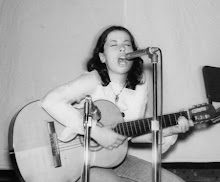
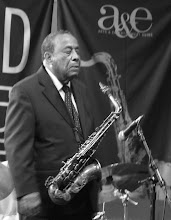
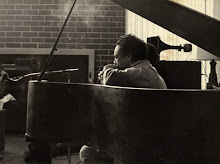
I read about chef Marcus Samuelsson’s reopening a Red Rooster restaurant in Harlem near 125th Street. For a period of about six months from 1979 into 1980, I sang three and four nights a week at the original Red Rooster on 138th and Adam Clayton Powell, working in a quintet with leader and trumpeter Bucky Thorpe; Don Pullen, who played Hammond B-3 on the gig but was best known for his years on piano with Charles Mingus; drummer Bobby Battle, who was also playing at that time with altoist Arthur Blythe; and guitarist Roland Prince from Antigua, who left to tour Europe with drummer Elvin Jones and was replaced by the late Ted Dunbar, teaching at Rutgers at the time. I was the only white face in the club most nights. It was a pivotal experience — the music was great, and I was able to stretch out on some of the tunes. Since several of the players had West Indian backgrounds, we would stray into a calypso or island-tinged original some of the time, but it was pretty straight ahead. The club was owned by Buster, a numbers banker putting his beautiful daughter/club manager, Pat, through law school at Yale. The crab cakes were excellent; I think the cook was from Baltimore.
There was Jock’s and another place across the street where organ duos or trios, including the likes of Jack McDuff and Charles Earland, would play. We would take our breaks and head next door for a listen, and vice versa.
By the way, I often took the subway to my gig, walking from the stop at 135th Street on St. Nicholas. I was perfectly safe although I was dressed up because they knew I worked for Buster. The gigs were long, five or six hours a night, and I would either get a gypsy cab home or Bucky and several of us would drive through Central Park in the moonlight. It was quite magical.
Up a block or so on the corner (139th?) and Adam Clayton Powell was a place that sold the best little sweet potato pies.
That was also the area of the Striver’s Row blocks. I was friends for a couple of years with the pianist John Hicks, whose three generations of family members shared one of those brownstones, which were designed by Stanford White. His dad was a very respected Methodist minister.
There were — and still are — other pockets of elegance in Harlem. Bucky, who was a retired postal employee, lived in a beautiful building on Riverside Drive with quite an amazing entryway. The band eventually dissolved because Bucky had diabetic complications. He had one leg amputated, but was still able to play with his stump propped on a bar stool. Then he got worse, and lost the other leg. We had several benefits for him. Somewhere I have the tapes.
There was Jock’s and another place across the street where organ duos or trios, including the likes of Jack McDuff and Charles Earland, would play. We would take our breaks and head next door for a listen, and vice versa.
By the way, I often took the subway to my gig, walking from the stop at 135th Street on St. Nicholas. I was perfectly safe although I was dressed up because they knew I worked for Buster. The gigs were long, five or six hours a night, and I would either get a gypsy cab home or Bucky and several of us would drive through Central Park in the moonlight. It was quite magical.
Up a block or so on the corner (139th?) and Adam Clayton Powell was a place that sold the best little sweet potato pies.
That was also the area of the Striver’s Row blocks. I was friends for a couple of years with the pianist John Hicks, whose three generations of family members shared one of those brownstones, which were designed by Stanford White. His dad was a very respected Methodist minister.
There were — and still are — other pockets of elegance in Harlem. Bucky, who was a retired postal employee, lived in a beautiful building on Riverside Drive with quite an amazing entryway. The band eventually dissolved because Bucky had diabetic complications. He had one leg amputated, but was still able to play with his stump propped on a bar stool. Then he got worse, and lost the other leg. We had several benefits for him. Somewhere I have the tapes.
Subscribe to:
Comments (Atom)
Pause that refreshes

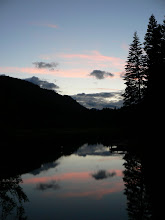
taken at Trout Lake Arts Fest