I wrote about Fannie Quigley and her wild rhubarb pies last July 4, in memory of an earlier Fourth spent baking pies for a celebration at Kantishna. I made a short Alaska pilgrimage this August, photographing her final home and that well-worn rusty cookstove.
Frances Sedlacek was born in 1870 on a homestead into a Bohemian family in Nebraska. Her father remarried after her mother died when she was six. Those farming years in Nebraska were marked by locusts, low crop prices, and Arctic-style blizzards.
Fannie left home at an early age, learning English as she followed the railroads west, then heading north at age 27 to the Klondike. Lugging a portable Yukon cookstove, groceries and a tent, she prided herself on arriving at new gold strikes to sell meals to the prospectors.
Her nickname, "Fannie the Hike," was purportedly from the distances her diminutive legs could cover while toting her portable kitchen, although some said it also came from her stint as a dance hall girl.
Clutching her free miner's certificate, Fannie staked a claim in 1900 on a tributary of the Stewart River, 125 miles from Dawson. She married miner Angus McKenzie Oct. 1, 1900, after returning to Dawson.
They opened a roadhouse near Gold Bottom. In January 1903, she departed the Klondike and Angus and headed off on an 800-mile hike down the Yukon River.
Miners were arriving at the Tanana, a large river that meets the Yukon, and she stopped near Chena. In August 1906, Fannie then headed for the Kantishna strike discovered by Joe Quigley and his partner.
She staked 26 claims in the area in a dozen years. Her first claim, staked on Jan. 1 1907, was witnessed by J. X. Quigley, and filed on April 15, 1907. Groups of miners, including Fannie, joined to file for large association claims on Glacier and Caribou creeks.
In November 1910, Joe Quigley found the first of his claims on Quigley Ridge between Eureka and Friday Creeks. Fannie and Joe were married in 1918 and moved from Glacier Creek to the western end of Quigley Ridge near Kantishna, at a cabin site at Friday Creek where Fannie had her own placer claims. They leased a strike that produced 1,435 tons of silver lead ore to Tom Aitken, who developed an underground mine, but declining silver prices and lease disagreements closed the mine in 1924.
Fannie's abilities in the kitchen were a means of support, and she hunted game and grew a garden to supply meals to the mining camp. Trapping also brought in extra income.
She shot caribou, moose, sheep, and bears, rendering the fat from berry-fed fall bears for use in baking her famous blueberry pies. Fannie ran her dog team many miles into the Denali drainages, trapping furs and hauling wood for the cabin and bunkhouse. Although sharing her largesse as a gardener and cook with the passing public as a means of support, she also continued to prospect for gold for additional spending cash. Alaska Magazine reported in July 1940 that "Fannie Quigley of Friday Creek shot a moose from her back porch last winter. While lugging the meat up to the cabin she picked up a gold nugget worth sixty dollars. "Heck!" she said, "I seen the dern thing layin' there all the time--but I just didn't believe it. Friday Creek's been worked four times."
In 1912, artist and frontier chronicler Belmore Browne partook of Fannie's hospitality. He said, "That meal was one of the most delicious that I have eaten. First came spiced, corned moose-meat, followed by moose muffle jelly. Several varieties of jelly made from native berries covered the large slices of yeast bread, but what interested me more was rhubarb sauce made from wild rhubarb of that region…These delicacies were washed down with great bowls of potato beer, ice-cold, from the underground cellar."
As the survivor of a rough and tumble existence --- a look at the mountains she had mined and the rivers she'd crossed are the hard evidence --- she picked up a salty vocabulary, and her thirst was legendary. In the end, she died alone, leaving her stove to rust. I think of her as someone who managed to turn moose muffle and wild rhubarb into extraordinary fare.
Showing posts with label Alaska. Show all posts
Showing posts with label Alaska. Show all posts
Wednesday, October 20, 2010

Tuesday, May 25, 2010
Rising to the occasion...
This week my calendar rolls over to 61. That's an achievement of sorts --- I have survived this long, in spite of myself.
I have been tempted to do something dramatic. I may cut my hair. It's now almost totally white and it's down to my waist. I have been wearing it in a hair appliance-enclosed bun for work much of the time, or in a pony tail. Now that summer is (maybe) arriving, it would be less of an encumbrance short. Sometimes when I look in the mirror, I see a school marm, a librarian or a nun. William once told me he had a dream that I became a nun. It's almost come true.
At a company Christmas party for employees of the tiny newspaper chain we belong to, I blurted out "news nun" as a description, something that just came to me instantly, but it fits.
I am determined I will not spend my pre-retirement years mired in a rut, especially difficult when living with an aging mother.
One small, swift jolt out of the rut: I will be going to Alaska for a week at the end of July. I already have my plane ticket and have paid for the bus ride to the end of the road in Denali. I hope to get some wildlife and scenery pictures to add to my Alaska DVD.
My sister will be coming on the bus trip. We will stay the two nights somewhere at the entrance to the park, then drive back to her home in Eagle River. I may try to drive down the Kenai for a couple of days while I am there. Perhaps I'll stop by and see Glenn at his restaurant, who liked the couple of recipes I gave him and said he will use them. I worked a season at the end of the road in Denali, at the Kantishna Roadhouse as the baker.
Here is my recipe for Kantishna Sourdough Bread:
This recipe is huge --- I used a floor Hobart and it made 8 large French-style loaves. A good starter is needed. I originally used “Gold Rush” brand, which supposedly dated from that era and was available in yellow packets in Anchorage. However, any good sourdough starter will work. Some are slower than others. I have made this bread without adding supplemental yeast --- it just takes longer to rise, at least 4-5 hours as opposed to 1-1/2 hours or so, depending on the temperature, etc.
I fed my starter every time I baked. It needs to be fed at least once a week; I used my starter every night and it didn't seem to suffer. Double the volume by adding flour, water and a teaspoon or so of sugar for a quart or so of starter (I kept mine in the walk-in in a large heavy earthenware bread bowl covered with plastic wrap, admittedly messy but it worked.) It needs to be the consistency of heavy pancake batter. Put half the replenished starter back in the refrigerator after letting it sit out until it bubbles.
I used a floor Hobart for this, but any large, sturdy machine with a dough hook will work. You can quarter the recipe and do it by hand in a large ceramic bowl, which is what I do now, except I don't measure.
In a large mixer with dough hook, add 6 cups lukewarm water (between 95-105 degrees) to 4 cups of starter, 4 tsp. yeast, 6 cups unbleached bread flour (or add 5 cups regular unbleached flour plus 1 cup gluten flour), 8 tsp. sugar and 8 tsp. salt. Beat together until smooth. Let rest a minute, then add 6 more cups of flour (I used 4 cups unbleached and 2 cups of a special very light rye flour for a French feel and taste) while beating vigorously on high with the dough hook until you see the gluten developing. Add about 4 more cups of flour to form a dough that starts to pull away from the edge of the mixer as the dough hook works. This could take five minutes or more. Let rise 60 to 90 minutes until spongy, then gradually add up to 4 more cups flour until you have stiffer dough that forms a good ball that pulls away from the sides on every stroke and starts climbing up the hook. Grease a large stainless steel bowl (only thing big enough), or a nice ceramic bowl if it's a smaller batch, and turn the dough into it. Let it rise covered with a flour sack kitchen towel for 45 minute to an hour. Turn it onto a lightly floured board and knead. Make a rectangle of dough. Let it rest. Using a dough knife/ulu, cut into lengths and form into loaves. Spray long sheet pans or trench bread pans and sprinkle with coarse yellow corn meal, then place the dough lengths on the pans with room to rise, handling gently. Brush lightly with water and make slits at regular intervals on top of the loaves (I use scissors but a very sharp serrated knife or a single-edge razor blade also work.) Let rise until almost double. Bake in a preheated oven at 425 - 450 degrees Fahrenheit on a rack above a large shallow pan of water in the bottom of the oven. Or use a clean spray bottle filled with water and periodically spray inside the oven. (Don't do this in an oven with an exposed glass light bulb. Yes, I learned the hard way.) When the loaves are nicely browned and sound hollow when tapped, they're done. Cool on racks.
Variations: Before baking, sprinkle with sesame or poppy seeds after brushing with water.
You can substitute 8 cups of whole wheat flour for part of the flour; add one-half cup honey.
For rye bread, use half dark rye flour plus one cup gluten flour if it’s not a high protein unbleached bread flour, and add 1 cup dark unsulphured molasses and 1/2 cup caraway seeds. Bake a little longer in a little slower oven for rye or whole wheat.
I have been tempted to do something dramatic. I may cut my hair. It's now almost totally white and it's down to my waist. I have been wearing it in a hair appliance-enclosed bun for work much of the time, or in a pony tail. Now that summer is (maybe) arriving, it would be less of an encumbrance short. Sometimes when I look in the mirror, I see a school marm, a librarian or a nun. William once told me he had a dream that I became a nun. It's almost come true.
At a company Christmas party for employees of the tiny newspaper chain we belong to, I blurted out "news nun" as a description, something that just came to me instantly, but it fits.
I am determined I will not spend my pre-retirement years mired in a rut, especially difficult when living with an aging mother.
One small, swift jolt out of the rut: I will be going to Alaska for a week at the end of July. I already have my plane ticket and have paid for the bus ride to the end of the road in Denali. I hope to get some wildlife and scenery pictures to add to my Alaska DVD.
My sister will be coming on the bus trip. We will stay the two nights somewhere at the entrance to the park, then drive back to her home in Eagle River. I may try to drive down the Kenai for a couple of days while I am there. Perhaps I'll stop by and see Glenn at his restaurant, who liked the couple of recipes I gave him and said he will use them. I worked a season at the end of the road in Denali, at the Kantishna Roadhouse as the baker.
Here is my recipe for Kantishna Sourdough Bread:
This recipe is huge --- I used a floor Hobart and it made 8 large French-style loaves. A good starter is needed. I originally used “Gold Rush” brand, which supposedly dated from that era and was available in yellow packets in Anchorage. However, any good sourdough starter will work. Some are slower than others. I have made this bread without adding supplemental yeast --- it just takes longer to rise, at least 4-5 hours as opposed to 1-1/2 hours or so, depending on the temperature, etc.
I fed my starter every time I baked. It needs to be fed at least once a week; I used my starter every night and it didn't seem to suffer. Double the volume by adding flour, water and a teaspoon or so of sugar for a quart or so of starter (I kept mine in the walk-in in a large heavy earthenware bread bowl covered with plastic wrap, admittedly messy but it worked.) It needs to be the consistency of heavy pancake batter. Put half the replenished starter back in the refrigerator after letting it sit out until it bubbles.
I used a floor Hobart for this, but any large, sturdy machine with a dough hook will work. You can quarter the recipe and do it by hand in a large ceramic bowl, which is what I do now, except I don't measure.
In a large mixer with dough hook, add 6 cups lukewarm water (between 95-105 degrees) to 4 cups of starter, 4 tsp. yeast, 6 cups unbleached bread flour (or add 5 cups regular unbleached flour plus 1 cup gluten flour), 8 tsp. sugar and 8 tsp. salt. Beat together until smooth. Let rest a minute, then add 6 more cups of flour (I used 4 cups unbleached and 2 cups of a special very light rye flour for a French feel and taste) while beating vigorously on high with the dough hook until you see the gluten developing. Add about 4 more cups of flour to form a dough that starts to pull away from the edge of the mixer as the dough hook works. This could take five minutes or more. Let rise 60 to 90 minutes until spongy, then gradually add up to 4 more cups flour until you have stiffer dough that forms a good ball that pulls away from the sides on every stroke and starts climbing up the hook. Grease a large stainless steel bowl (only thing big enough), or a nice ceramic bowl if it's a smaller batch, and turn the dough into it. Let it rise covered with a flour sack kitchen towel for 45 minute to an hour. Turn it onto a lightly floured board and knead. Make a rectangle of dough. Let it rest. Using a dough knife/ulu, cut into lengths and form into loaves. Spray long sheet pans or trench bread pans and sprinkle with coarse yellow corn meal, then place the dough lengths on the pans with room to rise, handling gently. Brush lightly with water and make slits at regular intervals on top of the loaves (I use scissors but a very sharp serrated knife or a single-edge razor blade also work.) Let rise until almost double. Bake in a preheated oven at 425 - 450 degrees Fahrenheit on a rack above a large shallow pan of water in the bottom of the oven. Or use a clean spray bottle filled with water and periodically spray inside the oven. (Don't do this in an oven with an exposed glass light bulb. Yes, I learned the hard way.) When the loaves are nicely browned and sound hollow when tapped, they're done. Cool on racks.
Variations: Before baking, sprinkle with sesame or poppy seeds after brushing with water.
You can substitute 8 cups of whole wheat flour for part of the flour; add one-half cup honey.
For rye bread, use half dark rye flour plus one cup gluten flour if it’s not a high protein unbleached bread flour, and add 1 cup dark unsulphured molasses and 1/2 cup caraway seeds. Bake a little longer in a little slower oven for rye or whole wheat.
Saturday, March 27, 2010
Those wonderful cookies I can't eat
This old body is betraying me today. Not only do I have a toothache, actually a jaw ache under a long-broken molar, I have the beginnings of a new shingles attack and an unexplained twinge in my chest.
I sound like a decrepit denizen of a nursing home, for which I apologize. The right knee is healing from the fall in the grocery store parking lot due to a hole in the asphalt (fixed the next day).
The cat is sitting in my doorway because she is psychic and knows I am hurting. I just got an email confirmation for my sudden whim, a week-long Alaska trip starting in late July. Feeling infirm does not inspire confidence in my stamina for this trip. I haven't had a real vacation for something like a dozen years. I have already paid for the 13-hour bus trip to Kantishna, 90 miles inside Denali National Park, where I was once the baker for a season.
Staying there one night is a little rich for my blood at more than $400. I can't even really afford the tour bus that stops for lunch at the Kantishna Roadhouse. Instead I am taking the Park Service shuttle, $54 versus $159, and will pack a sack lunch.
I used to bake my signature chocolate chip cookie recipe for the guests, hiker lunches, and sack lunches for the guests' road trip out. I also produced all the baked goods, including pies or cakes and my sourdough bread for the lunch buffet.
Here is my chocolate chip cookie recipe:
The Best Chocolate Chip Cookies Ever
Preheat oven to 325; spread 1 cup coarsely chopped pecans on large sheet pan. Toast about 10 minutes, stirring them around a couple of times.
Remove and add 2 T. unsalted butter, stirring it into the nuts. Set aside to cool. Put the oven temp up to 350.
Measure 1-1/2 cups cake flour, if you have it. Otherwise use all-purpose.
(If all-purpose flour is used, the cookies are crisper --- it’s the protein in the flour.)
Sift with 3/4 tsp. salt, 1-1/2 tsp. baking powder.
Cream 10 T. unsalted butter.
Add 3/4 cup brown sugar and 2 T. corn syrup (the latter makes them chewier --- leave it out if you like them crunchier) and beat together until fluffy.
Add 1 large egg,
1 T. real vanilla extract (I made my own, brandy and a couple of Tahitian vanilla beans soaking in it.)
Beat again. Gradually add flour. Add 1 c. good chocolate chips (Guittard or something similar) or small chocolate chunks, plus the pecans. Use a rubber spatula to mix.
Lightly spray sheet or cookie pans. (I used parchment paper to line pans.) Drop heaping tablespoons two inches apart --- a melon baller works great for uniform cookie size. Bake 12 minutes, or only until edges start to brown. Let sit for a minute then remove to racks and let cool. This version makes more than two dozen cookies. - Joanna
If you ever need it, I have the original recipe, which is for 25 dozen. I made that many every night when I baked at Kantishna. The pilots would drop by around 1 a.m. after the bar closed for a taste of the raw cookie dough.
I sound like a decrepit denizen of a nursing home, for which I apologize. The right knee is healing from the fall in the grocery store parking lot due to a hole in the asphalt (fixed the next day).
The cat is sitting in my doorway because she is psychic and knows I am hurting. I just got an email confirmation for my sudden whim, a week-long Alaska trip starting in late July. Feeling infirm does not inspire confidence in my stamina for this trip. I haven't had a real vacation for something like a dozen years. I have already paid for the 13-hour bus trip to Kantishna, 90 miles inside Denali National Park, where I was once the baker for a season.
Staying there one night is a little rich for my blood at more than $400. I can't even really afford the tour bus that stops for lunch at the Kantishna Roadhouse. Instead I am taking the Park Service shuttle, $54 versus $159, and will pack a sack lunch.
I used to bake my signature chocolate chip cookie recipe for the guests, hiker lunches, and sack lunches for the guests' road trip out. I also produced all the baked goods, including pies or cakes and my sourdough bread for the lunch buffet.
Here is my chocolate chip cookie recipe:
The Best Chocolate Chip Cookies Ever
Preheat oven to 325; spread 1 cup coarsely chopped pecans on large sheet pan. Toast about 10 minutes, stirring them around a couple of times.
Remove and add 2 T. unsalted butter, stirring it into the nuts. Set aside to cool. Put the oven temp up to 350.
Measure 1-1/2 cups cake flour, if you have it. Otherwise use all-purpose.
(If all-purpose flour is used, the cookies are crisper --- it’s the protein in the flour.)
Sift with 3/4 tsp. salt, 1-1/2 tsp. baking powder.
Cream 10 T. unsalted butter.
Add 3/4 cup brown sugar and 2 T. corn syrup (the latter makes them chewier --- leave it out if you like them crunchier) and beat together until fluffy.
Add 1 large egg,
1 T. real vanilla extract (I made my own, brandy and a couple of Tahitian vanilla beans soaking in it.)
Beat again. Gradually add flour. Add 1 c. good chocolate chips (Guittard or something similar) or small chocolate chunks, plus the pecans. Use a rubber spatula to mix.
Lightly spray sheet or cookie pans. (I used parchment paper to line pans.) Drop heaping tablespoons two inches apart --- a melon baller works great for uniform cookie size. Bake 12 minutes, or only until edges start to brown. Let sit for a minute then remove to racks and let cool. This version makes more than two dozen cookies. - Joanna
If you ever need it, I have the original recipe, which is for 25 dozen. I made that many every night when I baked at Kantishna. The pilots would drop by around 1 a.m. after the bar closed for a taste of the raw cookie dough.
Subscribe to:
Posts (Atom)
Pause that refreshes

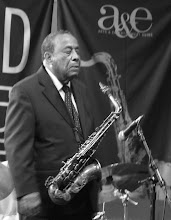
taken at Trout Lake Arts Fest